Preview Rewire Pain-ReLeaf™, Free
Before you recommend anything to your patients, you’ll want to see it for yourself. Rewire Pain-ReLeaf™ is a brain-based course that shows people how pain patterns can continue even after the original injury has had time to heal.
Enter your information and I will send you:
- Free access to the full course, so you can see it from your patient’s perspective
- A link and printable flyer to share with patients
- Pain science highlights worth knowing
Your information is safe with us and will not be shared. Unsubscribe any time.
Pain-Relief Program for Post-Concussive Patients
Why some patients plateau and what to do about it.
Why some patients plateau and what
to do about it.
Patient Plateau?
Get their WHOLE Brain on the Recovery Team.
You're Restoring Brain Function.
Who's Rewiring Brain Patterns?
Eye Teaming · Focusing · Eye Movements · Visual Processing · Balance and Dizziness
Fear of Symptoms · Predictive Pain · Stress · Beliefs about Recovery · Isolation
After months of symptoms, the brain can learn patterns that keep those symptoms going and set back recovery. The good news? Learned patterns can change, and that's the focus of Pain Reprocessing Therapy.
Patient Plateau?
Get their WHOLE Brain on the Recovery Team.
You're Restoring Brain Function:
Eye Teaming · Focusing · Eye Movements · Visual Processing · Balance and Dizziness
Who's Rewiring Brain Patterns?
Fear of Symptoms · Predictive Pain · Stress · Isolation ·
Beliefs about Recovery
After months of symptoms, the brain can learn patterns that keep those symptoms going and set back recovery.
The good news? Learned patterns can change, and that's the focus of Pain Reprocessing Therapy.
A 'reading headache' with eyes CLOSED and the book SHUT?
It sounds impossible. But it happened to my daughter.

Years after her subdural hematoma, Kayla’s intense headaches and dizziness still came and went.
During deliberate 'provocative testing', used in Pain Reprocessing Therapy to explore whether expectation can bring on a symptom, she held a closed book with her eyes shut and thought, 'I'm going to read this book.' And her familiar 'reading headache' appeared instantly.
The pain was real. (All pain is real.) But it gave us a clue: her brain had linked reading with danger and was predicting pain before she read a word, in an effort to protect her from the visual pain of reading.
The brain can predict pain BEFORE you do something.
When a learned pattern repeats, that prediction may continue—
even after the original injury has had time to heal.
A 'reading headache' with eyes CLOSED and the book SHUT?
It sounds impossible.
But it happened
to my daughter.
Years after her subdural hematoma, Kayla’s intense headaches and dizziness still came and went.
During deliberate 'provocative testing', used in Pain Reprocessing Therapy to explore whether expectation can bring on a symptom, she held a closed book with her eyes shut and thought, 'I'm going to read this book.' And her familiar 'reading headache' appeared instantly.
The pain was real. (All pain is real.) But it gave us a clue: her brain had linked reading with danger and was predicting pain before she read a word, in an effort to protect her from the visual pain of reading.
The brain can predict pain BEFORE you do something.
When a learned pattern repeats, that prediction may continue—
even after the original injury has had time to heal.
They've given it time. They've done the rehab.
So why are they still struggling?
You've seen these patients:
- Progress, then setbacks that seem to come out of nowhere
- Symptoms get worse over time, not better
- Rehab that should be doable feels 'too hard'
- New issues beyond the injury arise, like gut issues, joint pain, or back pain
- A long list of specialists, and still no lasting progress
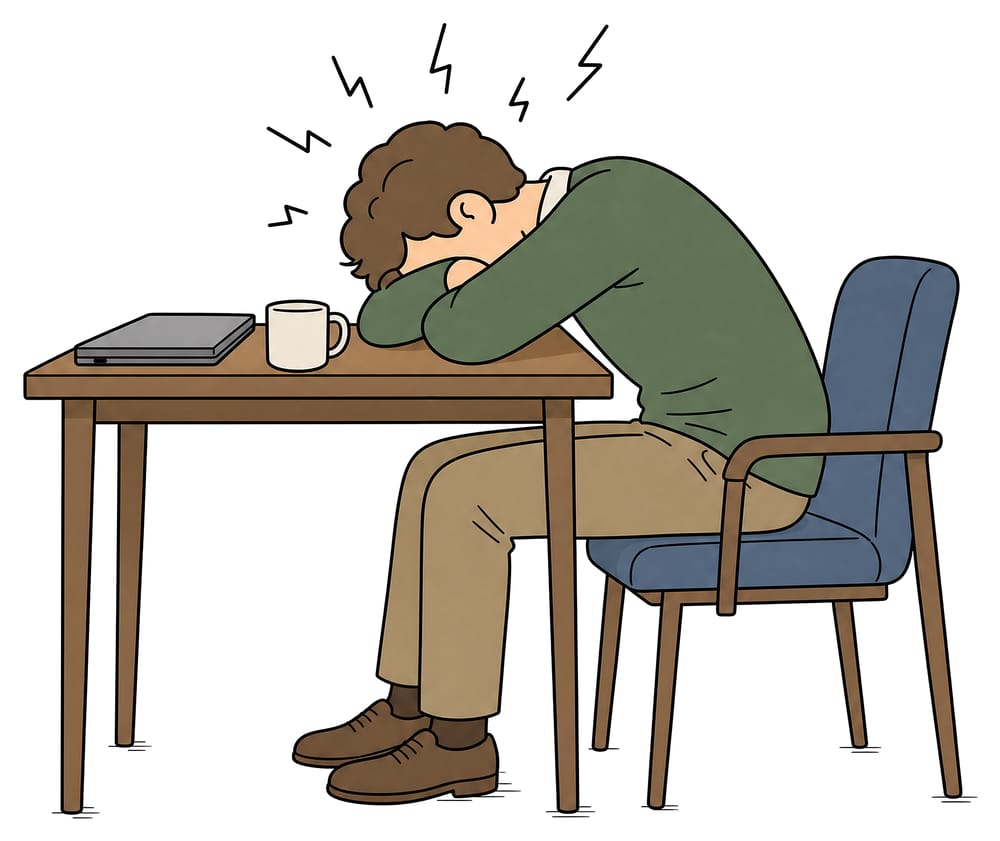
When symptoms persist despite appropriate care and time to heal,
the brain’s learned patterns may be playing a role.
They've given it time. They've done the rehab.
So why are they still struggling?
You've seen these patients:
- Progress, then setbacks that seem to come out of nowhere
- Symptoms get worse over time, not better
- Rehab that should be doable feels 'too hard'
- New issues beyond the injury arise, like gut issues, joint pain, or back pain
- A long list of specialists, and still no lasting progress
When symptoms persist despite appropriate care and time to heal, the brain’s learned patterns may be playing a role.
Here's What the Research Shows:
1. Expectations shape concussion recovery. In adolescents after a concussion, 45% developed persistent symptoms. Those who expected a longer recovery were about twice as likely to develop them, even after adjusting for other factors.
2. Changing beliefs about pain can reduce it. In the University of Colorado Boulder trial, 151 adults with chronic back pain (lasting an average of about 10 years) received Pain Reprocessing Therapy (PRT), a placebo, or usual care. After four weeks, 66% of the PRT group were pain-free or nearly pain-free, compared with 20% on placebo and 10% in usual care. Gains largely held at one year, and improvement was linked to a drop in patients' belief that pain meant damage.
3. Early results in migraine. In a published case series, three adults with chronic migraine who hadn't responded to standard treatment received PRT from a physician. Migraine or headache days dropped from roughly 18–30 a month to 3–5 a month. Larger gains followed a shift toward seeing pain as a learned threat response, plus daily practice. With only three patients and no comparison group, these are early results, and the authors call for controlled studies.
4. Chronic pain involves the emotional brain. Chronic back pain tracked mainly in a brain region involved in emotion and self-reflection, while acute pain tracked elsewhere. Chronic pain isn't just acute pain that lasts longer.
5. Pain is processed, not just received. Pain signals are modulated on their way to the brain, so pain isn't a simple readout of tissue damage. This is the foundation of modern pain science.
Where the Evidence Stands:
Pain Reprocessing Therapy has been tested in one randomized controlled trial so far, the Boulder Back Pain Study (#2 above). But the principle behind PRT, how the brain learns and predicts pain, isn’t limited to the back. Practitioners use PRT for many conditions, including headaches, dizziness, POTS, fibromyalgia, chronic fatigue, long COVID symptoms, and others. Controlled trials of PRT specifically for post-concussion symptoms are still needed.
A Note on Pain Reprocessing Therapy:
PRT is a mind-body approach for chronic pain. The first step is to rule out a structural or medical cause driving the pain. Then it looks at whether the brain is involved. When it is, PRT teaches people to understand pain as a learned brain pattern rather than a sign of damage, and to respond to it with safety rather than fear. Clinicians deliver PRT as therapy. Rewire Pain-ReLeaf™ is a self-directed educational course, not therapy, that teaches these principles. It fits alongside your care and can also support traditional mental health therapy that addresses the stress and challenges of ongoing chronic pain.
Here's What the Research Shows:
1. Expectations shape concussion recovery. In adolescents after a concussion, 45% developed persistent symptoms. Those who expected a longer recovery were about twice as likely to develop them, even after adjusting for other factors.
2. Changing beliefs about pain can reduce it. In the University of Colorado Boulder trial, 151 adults with chronic back pain (lasting an average of about 10 years) received Pain Reprocessing Therapy (PRT), a placebo, or usual care. After four weeks, 66% of the PRT group were pain-free or nearly pain-free, compared with 20% on placebo and 10% in usual care. Gains largely held at one year, and improvement was linked to a drop in patients' belief that pain meant damage.
3. Early results in migraine. In a published case series, three adults with chronic migraine who hadn't responded to standard treatment received PRT from a physician. Migraine or headache days dropped from roughly 18–30 a month to 3–5 a month. Larger gains followed a shift toward seeing pain as a learned threat response, plus daily practice. With only three patients and no comparison group, these are early results, and the authors call for controlled studies.
4. Chronic pain involves the emotional brain. Chronic back pain tracked mainly in a brain region involved in emotion and self-reflection, while acute pain tracked elsewhere. Chronic pain isn't just acute pain that lasts longer.
5. Pain is processed, not just received. Pain signals are modulated on their way to the brain, so pain isn't a simple readout of tissue damage. This is the foundation of modern pain science.
Where the
Evidence Stands:
Pain Reprocessing Therapy has been tested in one randomized controlled trial so far, the Boulder Back Pain Study (#2 above). But the principle behind PRT, how the brain learns and predicts pain, isn’t limited to the back.
Practitioners use PRT for many conditions, including headaches, dizziness, POTS, fibromyalgia, chronic fatigue, long COVID symptoms, and others. Controlled trials of PRT specifically for post-concussion symptoms are still needed.
A Note on Pain Reprocessing Therapy:
PRT is a mind-body approach for chronic pain. The first step is to rule out a structural or medical cause driving the pain. Then it looks at whether the brain is involved. When it is, PRT teaches people to understand pain as a learned brain pattern rather than a sign of damage, and to respond to it with safety rather than fear.
Clinicians deliver PRT as therapy. Rewire Pain-ReLeaf™ is a self-directed educational course, not therapy, that teaches these principles. It fits alongside your care and can also support traditional mental health therapy that addresses the stress and challenges of ongoing chronic pain.
Meet Rewire Pain-ReLeaf™
A self-directed online course for your patients
based on Pain Reprocessing Therapy principles.
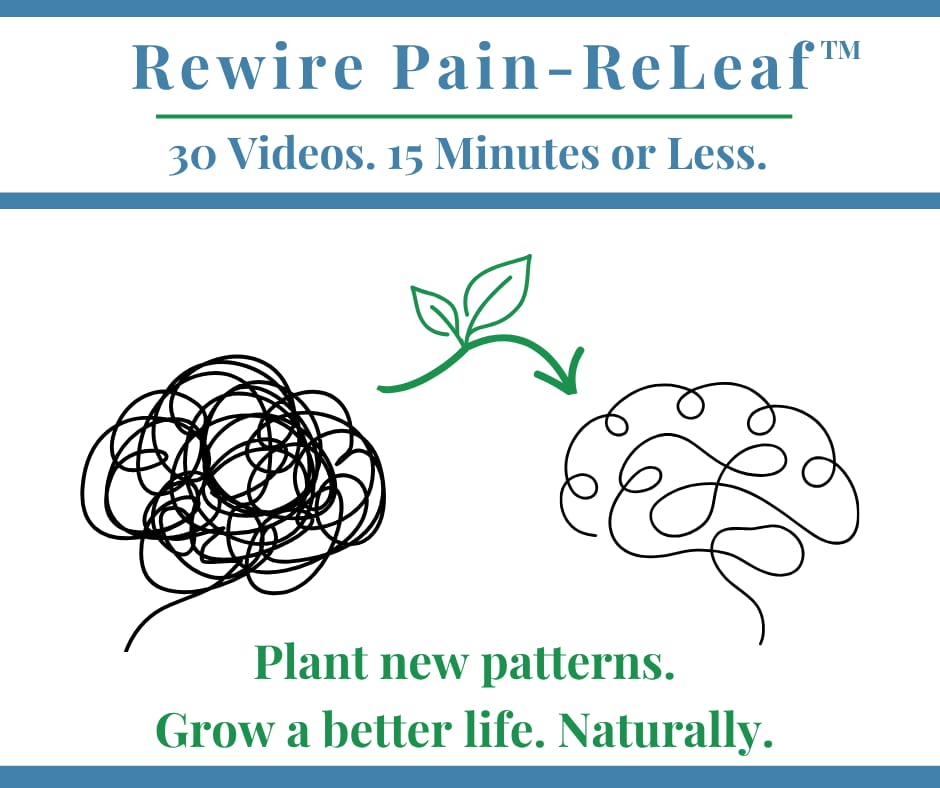
- Bite-sized, by design. Short lessons deliver the information in small doses, repeated over time, which is how new patterns form.
- Low cognitive load. No endless modules or dense material. Each lesson pairs a story with the science, so it’s engaging and easy to absorb and remember.
- Designed to complement your care, not replace it.
Why "ReLeaf"? It's a play on relief, and a nod to how the brain can grow new patterns, naturally. The course's six modules spell it out: R-E-L-E-A-F.
Meet
Rewire Pain-ReLeaf™
A self-directed online course for your patients based on Pain Reprocessing Therapy principles.
- Bite-sized, by design. Short lessons deliver the information in small doses, repeated over time, which is how new patterns form.
- Low cognitive load. No endless modules or dense material. Each lesson pairs a story with the science, so it’s engaging and easy to absorb and remember.
- Designed to complement your care, not replace it.
Why "ReLeaf"?
It's a play on relief, and a nod to how the brain can grow new patterns, naturally. The course's six modules spell it out: R-E-L-E-A-F.
What Patients Explore in Rewire Pain-ReLeaf™
(6 Modules. 30 Videos. 15 Minutes or Less Each.)

Discover how the brain creates pain, and why understanding the science changes everything.

Turn the lens inward, noticing the clues in their own symptoms that reveal the brain's role.

Practice shifting the response to symptoms, so the brain can begin to turn down the volume.

Uncover stressors that keep the brain on high alert and start "weeding" them out.
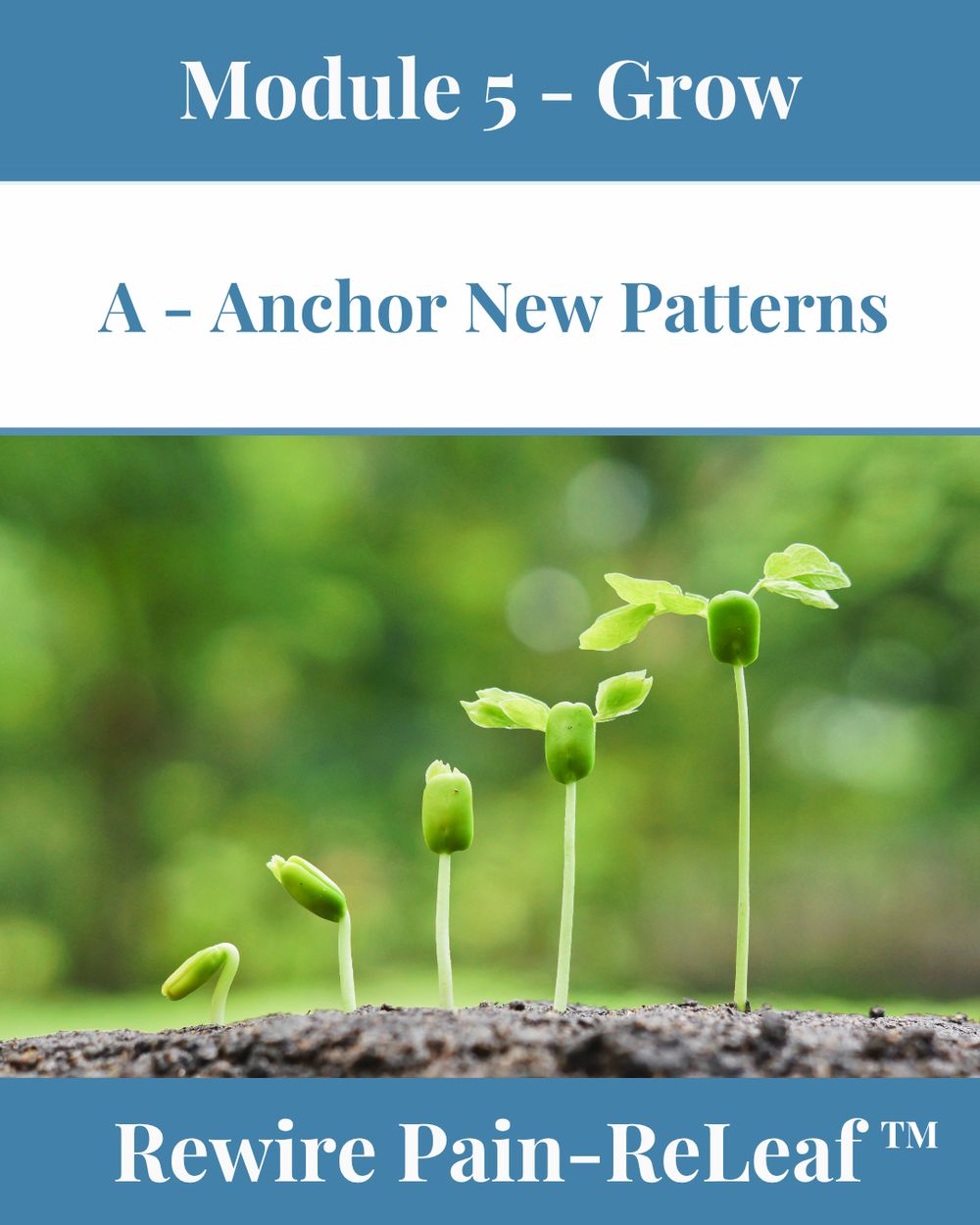
Build small, consistent habits, as new responses create new outcomes.

Simple, low-cost practices for long-term wellness, and a plan for their "yes" life.
Patients can start with Module 1, Reconsider Pain, free.
If they love it, they can continue with the full course.
What Patients Explore in Rewire Pain-ReLeaf™
(6 Modules. 30 Videos.
15 Minutes or Less Each.)
Discover how the brain creates pain, and why understanding the science changes everything.
Turn the lens inward, noticing the clues in their own symptoms that reveal the brain's role.
Practice shifting the response to symptoms, so the brain can begin to turn down the volume.
Uncover stressors that keep the brain on high alert and start "weeding" them out.
Build small, consistent habits, as new responses create new outcomes.
Simple, low-cost practices for long-term wellness, and a plan for their "yes" life.
Patients can start
with Module 1,
Reconsider Pain, free.
If they love it, they can continue with the full course.
Information is cheap. Implementation is rare.
That's why Rewire Pain-ReLeaf™ also addresses habit formation.
Everyday habits can affect pain.
Poor sleep, for example, can make pain feel worse. We all want to sleep better, but we’re still scrolling at 1 a.m. Knowing what to do isn’t the hard part. Doing it is.
The course builds small, doable habits, so patients can start doing what they actually want to do. Along the way, they discover something else: we also form habits around our pain, like bracing, avoiding, and worrying about what’s next. With the right tools, habits can change.

Information is cheap. Implementation is rare.
That's why Rewire Pain-ReLeaf™ also addresses habit formation.
Everyday habits can affect pain.
Poor sleep, for example, can make pain feel worse. We all want to sleep better, but we’re still scrolling at 1 a.m. Knowing what to do isn’t the hard part. Doing it is.
The course builds small, doable habits, so patients can start doing what they actually want to do.
Along the way, they discover something else: we also form habits around our pain, like bracing, avoiding, and worrying about what’s next. With the right tools, habits can change.
Better Together: ReLeaf Circle

One of the hardest parts of an injury is the isolation. Friends move on, life moves on, and your patient is still stuck. Alone. Just them and their symptoms.
What if a group of your patients went through this course together? It’s more enjoyable, and they realize they're not alone. And they’re more likely to see it through, as they show up not only for themselves, but also for others.
Our brains evolved to stay with the group, because the group meant survival.
When we’re isolated, the brain can treat it as a threat:
stress rises, focus narrows, and it starts scanning for danger.
Better Together:
ReLeaf Circle
One of the hardest parts of an injury is the isolation. Friends move on, life moves on, and your patient is still stuck. Alone. Just them and their symptoms.
What if a group of your patients went through this course together? It’s more enjoyable, and they realize they're not alone. And they’re more likely to see it through, as they show up for themselves and for others.
Our brains evolved to stay with the group, because the group meant survival. When we’re isolated, the brain can treat it as a threat: stress rises, focus narrows, and it starts scanning for danger.
Is Rewire Pain-ReLeaf™ Right for Your Patients?
It is a good fit for patients who:
- Still have symptoms despite appropriate care and time to heal.
- Feel stuck, exhausted, or discouraged after trying many treatments.
- Are curious about the brain's role in pain and are open to a brain-based approach.
- Want something short and doable, not another exhausting protocol.
It is not intended for patients who:
- Are still in the early, acute phase of recovery or haven't been medically evaluated.
- Need more intensive medical, neurological or mental health support first.
- Aren't open to exploring the brain's role in creating and maintaining symptoms.
- Are not ready or able to spend 15 minutes a day, five days a week, watching or listening to a video. (The whole course takes 6 weeks at that pace.)
Gentle by design.
The course focuses on understanding symptoms and responding to them differently. Nothing strenuous. Patients can set their pace.
Is Rewire Pain-ReLeaf™ Right for Your Patients?
It is a good fit for patients who:
- Still have symptoms despite appropriate care and time to heal.
- Feel stuck, exhausted, or discouraged after trying many treatments.
- Are curious about the brain's role in pain and are open to a brain-based approach.
- Want something short and doable, not another exhausting protocol.
It is not intended for patients who:
- Are still in the early, acute phase of recovery or haven't been medically evaluated.
- Need more intensive medical, neurological or mental health support first.
- Aren't open to exploring the brain's role in creating and maintaining symptoms.
- Are not ready or able to spend 15 minutes a day, five days a week, watching or listening to a video. (The whole course takes 6 weeks at that pace.)
Gentle by design.
The course focuses on understanding symptoms and responding to
them differently.
Nothing strenuous.
Patients can set their pace.
What People Are Saying


These testimonials reflect the personal experiences of specific individuals and are
not a guarantee of the same outcome for everyone. Results vary by individual.
What People Are Saying
These testimonials reflect the personal experiences of specific individuals and are
not a guarantee of the same outcome for everyone. Results vary by individual.
I learned this the hard way.
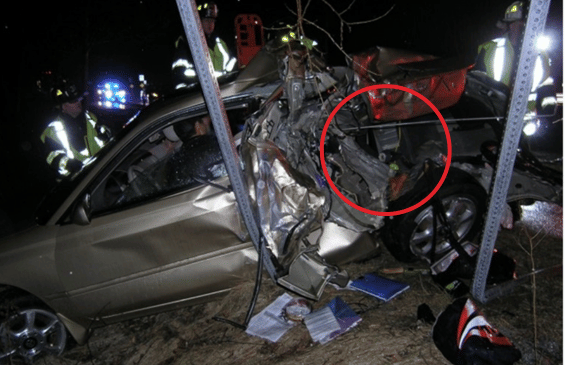
Ten months after our daughter was rear-ended at 90 MPH and suffered a subdural hematoma, she was 10X worse than when she left the hospital.
We spent the next eight years and $65,000, seeing 50+ doctors and specialists all around the country, trying every treatment we could find.
There were wonderful comebacks. And then, out of nowhere, devastating setbacks. It felt like a yo-yo recovery. Nobody could explain it.
For her 16th birthday — 5 years after the accident — she couldn't get her driver's license, as driving made her feel dizzy, like she was riding on the teacups at Disney.

Everything changed when we understood how the brain learns and can predict pain.
The reading headache was our proof. She said, "This explains my entire life." Within months, she was back to living her life.
It was not her fault. It was not our fault.
No family should have to spend that much time and money to find the missing piece. Rewire Pain-ReLeaf™ is built on that missing piece.
Getting her whole brain on the Recovery Team made the difference.
I learned this
the hard way.
Ten months after our daughter was rear-ended at 90 MPH and suffered a subdural hematoma, she was 10 times worse than the day she left the hospital.
We spent the next eight years and $65,000, seeing 50+ doctors and specialists all around the country, trying every treatment we could find.
There were wonderful comebacks. And then, out of nowhere, devastating setbacks. It felt like a yo-yo recovery. Nobody could explain it.
For her 16th birthday — 5 years after the accident — she couldn't get her driver's license, as driving made her feel dizzy, like she was riding on the teacups at Disney.
Everything changed when we understood how the brain learns and can predict pain.
The reading headache was our proof. She said, "This explains my entire life." Within months, she was back to living her life.
It was not her fault. It was not our fault.
No family should have to spend that much time and money to find the missing piece. Rewire Pain-ReLeaf™ is built on that missing piece.
Getting her whole brain on the Recovery Team made the difference.
Hi, I'm Patty Tashiro!
I'm not a clinician. I'm a mom on a mission.
After my daughter's injury, despite taking her to see the best clinicians, I still watched her struggle, on and off, for eight years.
What finally made the difference was learning that her brain had picked up patterns that kept her very real symptoms going. And patterns can be rewired.
I couldn't stop thinking about all the other people still stuck where we had been. So I became a certified brain health coach and trained in Pain Reprocessing Therapy.

Long before her injury, I had spent decades studying how we can change our experience of life. That included seven years studying meditation in London, which led to my book on happiness, An Angel Whispered (O Books, 2011).
I built Rewire Pain-ReLeaf™ for people who are already worn out. The lessons are short and told through stories, and the concepts and practices are simple.
The course is designed to support your patients' Recovery Team, not replace it.
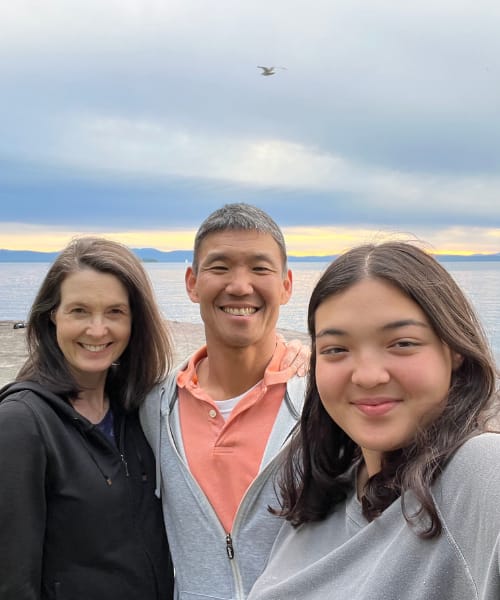
I founded Natural Brain Solutions, LLC, to spare other families the years we lost. Here we are at Lake Champlain, out enjoying life together again.
Hi, I'm Patty Tashiro!
I'm not a clinician. I'm a mom on a mission.
After my daughter's injury, despite taking her to see the best clinicians, I still watched her struggle, on and off, for eight years.
What finally made the difference was learning that her brain had picked up patterns that kept her very real symptoms going. And patterns can be rewired.
I couldn't stop thinking about all the other people still stuck where we had been. So I became a certified brain health coach and trained in Pain Reprocessing Therapy.
Long before her injury, I had spent decades studying how we can change our experience of life. That included seven years studying meditation in London, which led to my book on happiness, An Angel Whispered (O Books, 2011).
I built Rewire Pain-ReLeaf™ for people who are already worn out. The lessons are short and told through stories, and the concepts and practices are simple.
The course is designed to support your patients' Recovery Team, not replace it.
I founded Natural Brain Solutions, LLC, to spare other families the years we lost. Here we are at Lake Champlain, out enjoying life together again.
See it for yourself. Check it out below.
See it for yourself. Check it out below.
Disclaimer: The information and content in this program are for educational purposes only and are not intended as medical advice, diagnosis, or treatment. Rewire Pain-ReLeaf™ is not a substitute for professional medical care. Always consult your doctor or qualified healthcare provider before beginning any new health program, especially if you have an existing medical condition or injury.
Results vary by individual. Testimonials shared on this page and inside the course reflect the personal experiences of specific individuals and are not a guarantee of the same outcome for everyone.

Rewire Pain-ReLeaf™